Many vision-threatening diseases, whether they affect the front or back of the eye, are a chronic diagnosis. This means patients are reliant on therapeutics to protect their vision for the rest of their lives.
Current marketed therapies commonly used for ocular diseases face multiple challenges, from diminishing efficacy, poor safety profiles, and high patient burden. These ultimately impact on the patient’s quality of life, with many chronic conditions, such as glaucoma, eventually progressing to blindness.
Daily eye drops are a common first-line therapy, but poor compliance to dosing, and the eye being naturally designed to keep foreign materials out, means drugs delivered topically can often fail to manage disease symptoms over time.
Poor patient compliance
Cornea is a barrier to drug effectiveness
Advanced patients may be on multiple drops
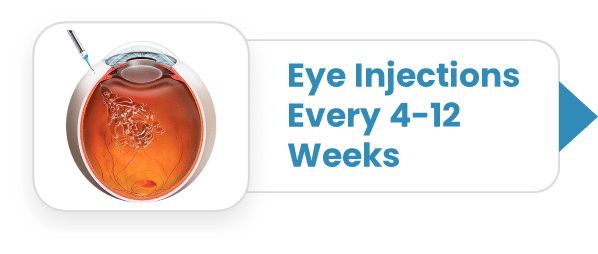
For diseases affecting the back of the eye, the most common treatment is eye injections, delivering a drug directly to the back of the eye, every 4-12 weeks. These injections are provided by a physician, which requires frequent clinic visits, a large burden for both the patients and physicians, and they come with risk of endophthalmitis (ocular inflammation) and other complications.
Requires frequent injections at clinic
High burden for both patient and physician
Risk of complications
PolyActiva's Approach
Our solution to these challenges is a micro ocular implant that provides sustained daily dosing of a drug compound directly into the patient’s eye for months on end, before it dissolves without a trace.
PolyActiva’s PREZIA™ technology has the potential to replace daily eye drops and frequent injections required every 4-12 weeks. By doing so, our implants would resolve compliance issues and reduce the burden on both patients and physicians alike.